
Roof protection is one of the most important parts of any building, whether it’s a family home, a garden shed, a garage, or a commercial structure. A roof does far more than just cover a building — it shields everything underneath from rain, snow, heat, cold, dust, and long-term weather damage. Choosing the right roof covering can make the difference between a dry, durable structure and one that constantly needs repairs.
roofing felt has remained popular for decades because it offers a balance between affordability, practicality, and performance. While newer materials like metal panels, rubber membranes, and composite shingles exist, felt systems continue to be widely used, especially for flat roofs, outbuildings, and budget-conscious projects.
This guide will walk you through everything you need to know — what it is, how it works, how to choose the right type, how to install it, how to maintain it, and how to avoid common problems — so you can make the best decision for your property
What Is Felt Roofing?
roofing felt is a waterproof sheet material usually made from bitumen combined with reinforcing fibers such as polyester or fiberglass. It comes in rolls and is installed in overlapping layers to create a continuous waterproof barrier on top of the roof deck.
The material works by repelling water and preventing moisture from entering the structure below. When properly installed, it creates a seamless surface that allows rainwater to run off while blocking leaks and condensation.
Because of its flexibility, felt adapts well to different roof shapes and sizes, which is why it is commonly used on flat or low-slope roofs where water tends to sit longer.
Why So Many People Still Choose Felt
Despite the rise of modern roofing materials, felt remains widely used for several reasons:
- It is affordable compared to most other roofing felt systems.
- It is lightweight and does not require structural reinforcement.
- It can be installed without heavy machinery.
- Repairs are usually simple and inexpensive.
- It performs well in wet climates.
For sheds, garages, workshops, and extensions, these benefits make it a practical choice that meets both functional and financial needs.
Different Types of Felt Roofing
Not all felt products are the same. Understanding the differences will help you select the right one for your situation.
Standard Felt
This is the basic version, suitable for light-use buildings and areas with mild weather. It offers basic waterproofing but has a shorter lifespan.
Reinforced Felt
Contains polyester or fiberglass reinforcement, making it stronger and more resistant to tearing and weather damage.
Self-Adhesive Felt
Comes with a peel-and-stick backing. It is easier and safer to install, especially for DIY users.
Heat-Applied Felt
This type is bonded using heat to melt the underside and fuse it to the roof surface. It creates a very strong bond but requires skill and proper safety measures.
Breathable Underlay
Used mainly under roof tiles in houses to allow moisture vapor to escape while keeping rain out.
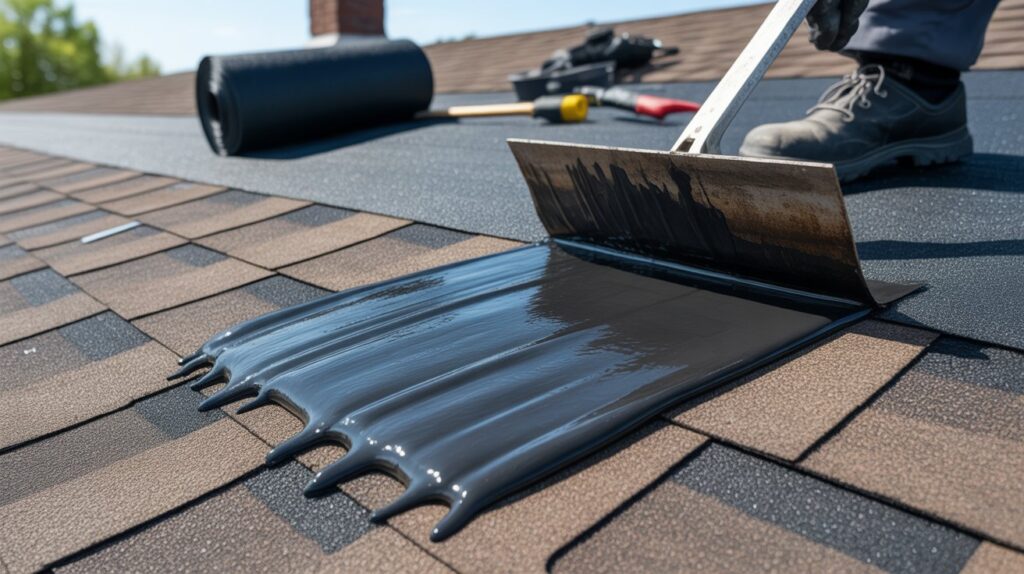
Choosing the Right Material for Your Roof
Before selecting any roofing feltmaterial, consider the following:
- What type of building is it?
- Is the roof flat, sloped, or somewhere in between?
- What kind of weather does your area experience?
- Do you want to install it yourself or hire a professional?
- How long do you want the roof to last?
A small garden shed in a mild climate needs something very different from a flat roof on a garage that faces heavy rain or snow.
How Long Does Felt Roofing Last?
The lifespan depends on material quality, installation, and climate. On average:
- Basic felt lasts around 5–8 years.
- Reinforced felt lasts around 10–15 years.
- Heat-applied systems can last 15–25 years or more.
Regular inspections and small repairs can extend these timeframes significantly.
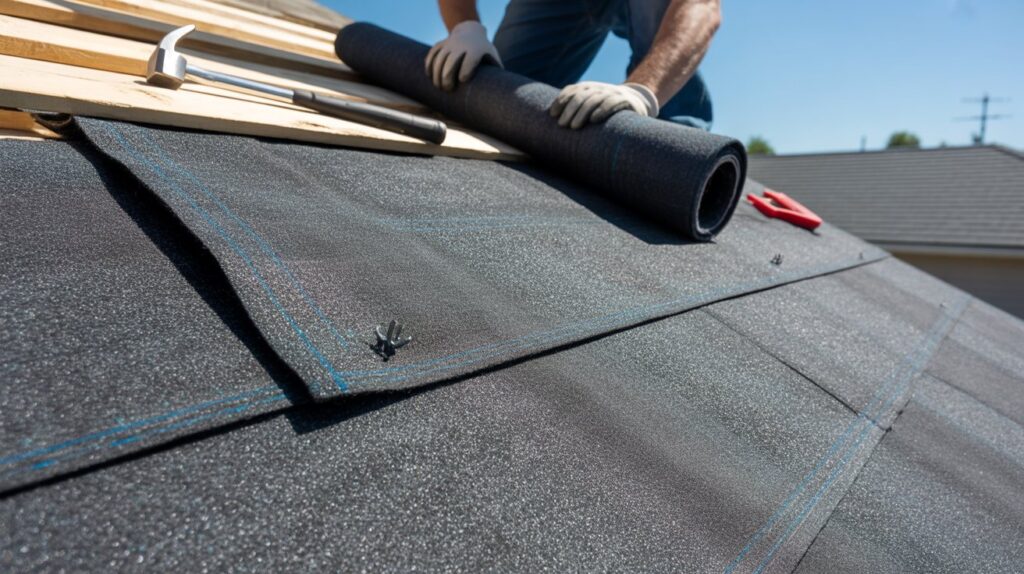
Installation Process (Overview)
Installing felt roofing felt involves several simple but important steps:
- Remove the old roofing material.
- Clean and dry the roof deck thoroughly.
- Measure and cut the felt sheets to size.
- Lay the material from the lowest edge upward.
- Overlap each layer to prevent water entry.
- Secure with adhesive, nails, or heat depending on the system.
- Seal edges, corners, and joints carefully.
Proper overlapping and sealing are essential for preventing leaks.
Maintenance and Care
Even a good roof needs care. You should:
- Inspect the roof twice a year.
- Look for cracks, bubbles, or lifting edges.
- Clear leaves, moss, and debris.
- Repair small issues before they become major problems.
Neglecting maintenance is one of the main reasons roofs fail early.
Common Problems and How to Fix Them
Lifting or Peeling
Usually caused by wind or poor adhesion. Re-secure the area and apply fresh adhesive.
Cracks or Tears
Often due to aging or impact. Patch with repair material and seal thoroughly.
Leaks
Usually occur at seams or around edges. Reseal joints and improve overlap.
Environmental Impact
Modern felt products are improving in sustainability through:
- Recycled fiber content
- Longer lifespans reducing waste
- Lower manufacturing emissions
If environmental impact matters to you, ask suppliers about eco-friendly options.
Cost Considerations
roofing felt remains one of the most cost-effective roofing options available, especially for secondary buildings. DIY installation further reduces costs.
IsRoofing felt Right for You?
It is a good choice if:
- You need an affordable solution.
- Your roof is flat or low-slope.
- You want simple repairs.
- You are comfortable with light maintenance.
It may not be ideal if:
- You want a decorative or premium look.
- Your roof is very steep and visible.
- You want a zero-maintenance solution.
Final Thoughts
Felt roofing continues to be a reliable option for many types of buildings. It offers a practical balance between price, durability, and ease of use. With the right product, proper installation, and basic maintenance, it can protect your building for many years without major expense.
FAQs
1. Can beginners install roofing felt?
Yes, especially self-adhesive systems are beginner-friendly.
2. How often should inspections be done?
At least twice a year and after severe weather.
3. Can new material be installed over old material?
Sometimes, but removing the old layer is usually better.
4. Does felt roofing work in cold climates?
Yes, but reinforced or heat-applied systems perform better in harsh weather.
5. Is felt roofing waterproof?
Yes, when installed and sealed correctly.
If you want, I can now:
Pingback: Roofing Felt 2025 – Best Types & Easy Installation Tips for Sheds & Flat Roofs